Blog
terça-feira, 12 de março de 2024
sexta-feira, 4 de maio de 2018
viva wollner!
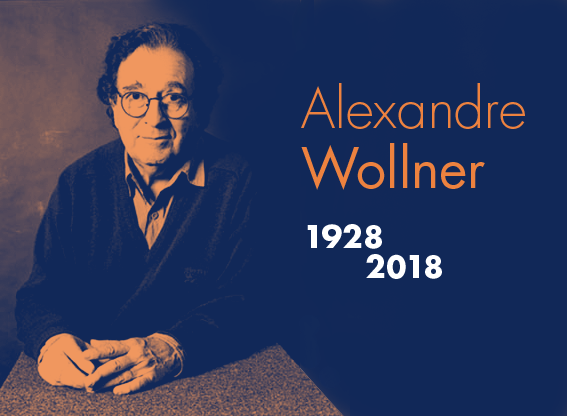
Hoje perdemos Alexandre Wollner, um dos grandes nomes do Design brasileiro.
Fundador da Esdi, a mais antiga escola de ensino superior de design do Brasil, na qual tive a felicidade de estudar. Mestre dos meus mestres, Wollner será sempre pra mim uma referência no rigor, na obsessão pelo sistema, na visão do design como pensamento ordenador do caos.
Deixo aqui minha homenagem – gráfica, claro.
viva wollner!
domingo, 2 de abril de 2017
experimentação gráfica
Na disciplina Experimentação Gráfica, provoquei os alunos a desenvolverem um livreto sobre o crime ambiental de Mariana, ocorrido com o rompimento da barragem de rejeitos de mineração denominada “Fundão”, controlada pela Samarco Mineração S.A., em 5 de novembro de 2015. O trabalho seria impresso em Risografia, e deveria ser pensado usando apenas duas cores – rosa e azul. O livreto foi impresso em papél pólem, tamanho 10 x 14cm (fechado). Cada estudante criou com uma página dupla, 20 x 14cm. A capa e contrapa foi feita por mim.
quinta-feira, 19 de março de 2015
No Waze não tem favela
Deu no Jornal O Globo: Após seguir rota indicada por aplicativo, atores são rendidos em favela do Rio
Para fugir do engarrafamento, um grupo de atores seguiu uma rota alternativa indicada pelo Waze e entraram pelo cano. Foram rendidos e assaltados no meio da favela. Ficaram sem suas posses, inclusive o carro no qual viajavam.
Quem mora no Rio de Janeiro sabe que (infelizmente) não dá pra andar em qualquer lugar. O grupo de atores estava na Linha Amarela, uma via expressa que corta várias comunidades dominadas pelo tráfico. Foram, no mínimo, inocentes.
Mas isso levanta uma questão: a mera transposição de um aplicativo feito em um país e uma cultura distintos da nossa nem sempre é suficiente. Há que se levar em conta a cultura local, os hábitos, o contexto específico. O que funciona lá, nem sempre vai funcionar aqui.
Não basta uma simples “tradução”, não basta usar os dados georeferenciados, as ruas, estradas. A cidade é mais do que cartografia e sistema de trânsito. Há vida, há tensão, há atrito. Coisas que a cartografia não mostra. No caso do Waze, seria necessário acrescentar uma camada de informação sobre áreas de risco.
Mas aí mora o problema. Quem fornece essa informação? A Prefeitura detém esses dados, o Governo do Estado idem. Mas convém lembrar que a Prefeitura do Rio, anos atrás, MANDOU o Google retirar o termo “Favela” do mapa fluminense. Ao olhar o mapa ficava evidente que vivemos em uma grande favela. A Zona Sul, na cidade do Rio, é uma ilha de exceção, cercada de favelas por todos os lados. O mapa dava o nome corrente “Favela tal”, politicamente incorreto, incômodo.
O governo, que não consegue resolver as contradições do estado, “higienizou” a representação da cidade.
Na telinha do Waze não tem favela. Mas basta olhar pela janela do carro pra ver que o buraco é bem mais embaixo.
segunda-feira, 28 de janeiro de 2013
QR Code nas calçadas do Rio
A Secretaria Municipal de Conservação e Serviços Públicos da Prefeitura do Rio de Janeiro instalou 2 QR codes no bairro do Arpoador, na Zona Sul da cidade. A curiosidade é que os QR codes foram inscritos nas tradicionais calçadas de pedras portuguesas.

Quem tiver um telefone celular com um programa para leitura de QR Codes poderá usar os signos gravados nas calçadas como porta de entrada para informações armazenadas na Internet.
O problema de usar o chão como ‘suporte’ é que ele está sujeito a modificações, seja pela falta de manutenção ou por mero uso.
Com menos de uma semana de uso, a combinação do vento forte com a areia da praia tornou temporariamente o QR Code ilegível:
“Terra e areia impedem leitura de QR Code em calçada do Rio”
Foto: Mauro Pimentel / Terra

O pior mesmo vai ser quando precisarem fazer alguma obra. No Rio são muitos os serviços que usam o subsolo. Luz, água, telefone, gás, TV a cabo…são redes e redes se cruzando sob a terra. Não é raro ser necessário fazer reparos, e as calçadas são esburacadas a vontade. Na hora de fechar o buraco e repor o piso, a falta de cuidado de nossa mão-de-obra sem qualquer formação é evidente, e as calçadas da cidade maravilhosa ocupam a segunda posição entre as piores de todo o país (veja matéria do Jornal Nacional). Basta ver como um dos ícones visuais da cidade, o calçadão de Copacabana, está completamente desfigurado em alguns trechos.
Vamos ver quanto tempo vai durar o QR Code.
quinta-feira, 10 de janeiro de 2013
MyMagic+ MagicBand (Disney e RFID)
Em 7 de janeiro de 2013, o Blog da DisneyParks deu uma pequena mostra do que pretendem fazer neste ano. Usando diferentes canais de acesso (aplicativo para celular e sua versão web, além de uma pulseira de identificação por radiofrequência), os visitantes podem de antemão planejar toda a sua estadia nos parques temáticos e agilizar os processos de identificação e compra de produtos dentro do parque. É possível agendar desde os passeios nos brinquedos até efetuar reservas para jantar. Isso garantirá, por exemplo, que um grupo fique junto durante toda sua estadia no parque, sem risco de alguém ficar de fora porque lotou algum brinquedo.
O projeto se chama MyMagic+. Um dos pontos polêmicos é justamente a pulseira de identificação que usa a tecnologia RFID — a MagicBand. Com ela os visitantes podem ser identificados em cada atração, realizar pagamentos, abrir a porta dos seus alojamentos (funcionando como uma chave eletrônica).
Linking the entire MyMagic+ experience together is an innovative piece of technology we developed called the MagicBand. Worn on the wrist, it will serve as a guest’s room key, theme park ticket, access to FastPass+ selections, PhotoPass card and optional payment account all rolled into one. We’ve began testing certain aspects of MyMagic+ in Florida last month and the early reactions we’ve gotten have been fantastic.

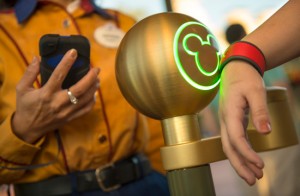
A polêmica em torno disso é antiga (apesar de alardeada como novidade pela mídia). Ao mesmo tempo que a tecnologia promove praticidade e fluidez na experiência do visitante, o sistema permite que todos os seus passos sejam monitorados — desde as atrações que foram usadas, o horário e número de vezes em cada brinquedo, até os produtos que consumiu no parque. A segurança também é um tema recorrente: você confiaria seu número de cartão de crédito a um sistema semelhante*?
Nada de novo nisso: até hoje há quem veja com desconfiança políticas de privacidade de empresas como Google, que podem monitorar muito mais coisas da vida dos usuários de seus produtos
É uma troca: praticidade e conforto X privacidade e segurança. Essa polêmica é velha, mas nem por isso deixa de ser importante.
Leia mais no blog da Disney: Taking the Disney Guest Experience to the Next Level.
* Convém frisar que o sistema da Disney não necessariamente armazena dados de cartão de crédito. Ele apenas permite fazer pagamentos dentro do parque. O usuário pode simplesmente ter “créditos” armazenados no sistema, que são debitados durante o uso.
quinta-feira, 1 de setembro de 2011
Enfim, doutor
Dia 19 de agosto, finalmente, ocorreu minha defesa de tese de doutorado. O rito de passagem após um processo de longos e solitários 4 anos e ½. As críticas da banca foram muito apropriadas e construtivas. Apontaram pontos fracos da tese, que eram justamente os que eu considerava os mais frágeis do trabalho. Mas foram muito generosos comigo e sequer solicitaram que fizesse alterações.
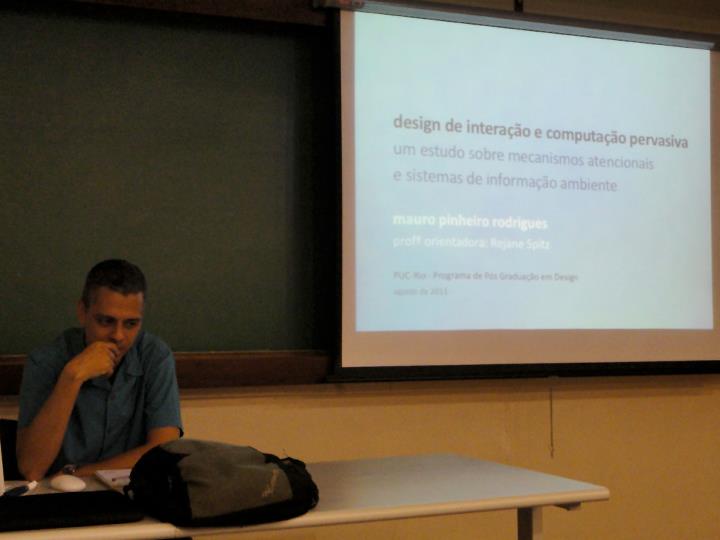
concentrado, minutos antes de começar a defesa
A banca foi composta pelos professores doutores Luciano Meira (psicologia cognitiva, UFPE), Rogério Camara (design, UnB), Denise Filippo (informática, Esdi/UERJ), Jorge Lopes (design, PUC-Rio e INT), Nilton Gamba Jr. (design, PUC-Rio) e minha orientadora Rejane Spitz (design, PUC-Rio).
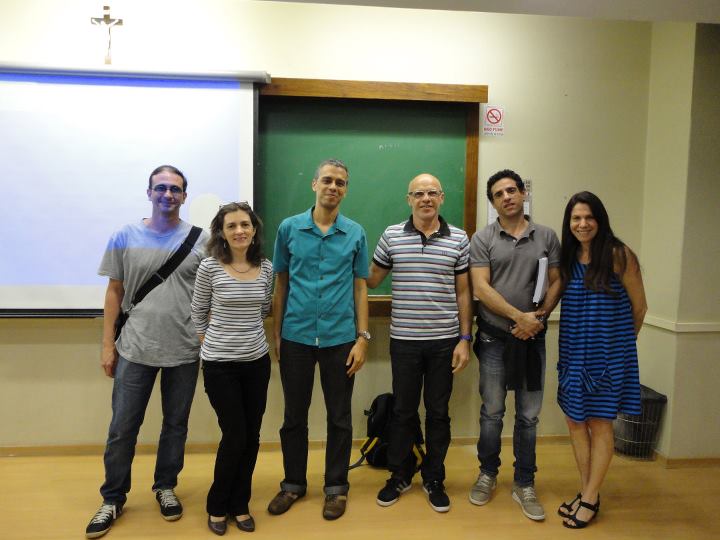
Da esquerda para a direita: Rogério Camara, Denise Filippo, eu, Luciano Meira, Nilton Gamba Jr. e Rejane Spitz. Jorge Lopes teve que sair correndo logo após o encerramento dos trabalhos.
Na seção ‘palestras’ aqui da Feira coloquei o material apresentado durante a defesa.